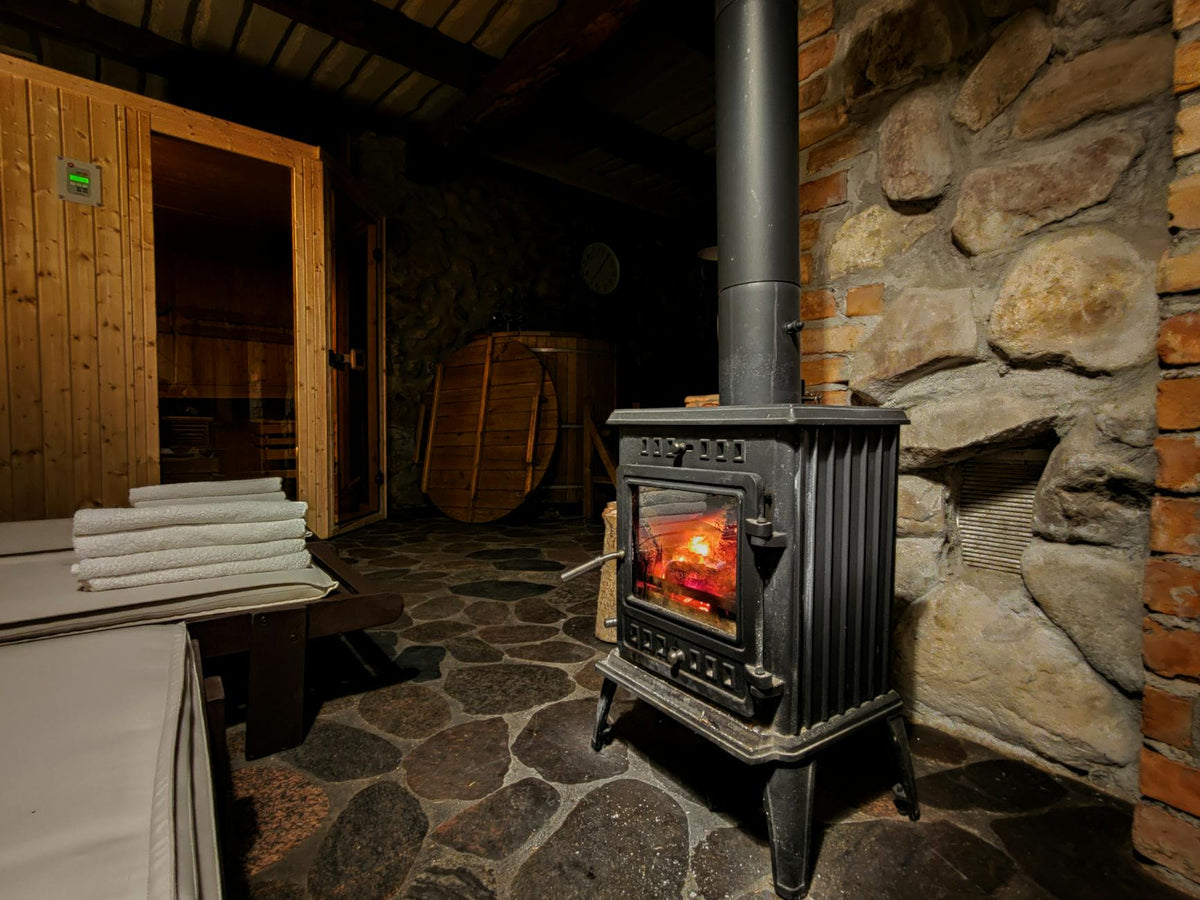
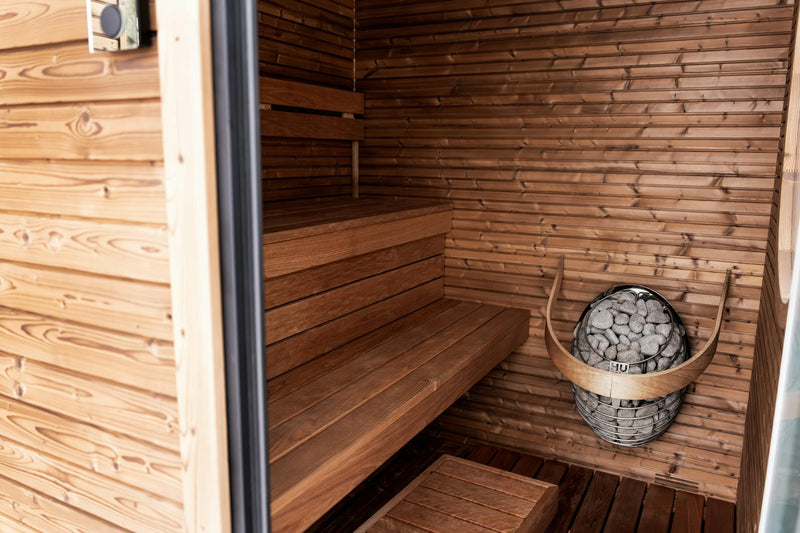
A cabin interior in evening light.
Research · Last reviewed May 2026

The science of infrared heat.

A continually-updated review of the peer-reviewed literature on infrared saunas — what is well-supported, what is suggestive, and what is hyped beyond what the data warrants.

Reviewed by Chris Coussons
Read time 12 minutes
Citations 26 peer-reviewed studies
Updated Quarterly
Chapter 01

The physics of infrared heat.

Infrared light sits just below the visible spectrum — wavelengths longer than red, too long for the eye to see, but absorbed readily by skin and water in soft tissue. Three sub-bands are commonly distinguished: near-infrared (NIR, 700–1,400 nm), mid-infrared (MIR, 1,400–3,000 nm), and far-infrared (FIR, 3,000 nm to 1 mm). Modern infrared sauna cabins emit predominantly in the FIR range from carbon or ceramic emitter panels, often supplemented with NIR LEDs at 660 nm and 850 nm for photobiomodulation.

What the brand name "infrared sauna" usually describes today is a cabin running at 50–65°C ambient air temperature with FIR emitters radiating directly onto the user. This is a meaningfully different experience from a traditional Finnish sauna at 80–95°C, where the heat reaches you through hot air rather than direct radiation.

Tissue penetration — what the evidence shows

Marketing claims about "deep tissue penetration" should be read carefully. The dermatological literature is consistent that NIR (700–1,400 nm) penetrates the skin to depths of around 1–5 mm depending on wavelength[1][2]. FIR is largely absorbed at the surface — the heating effect on deeper structures comes from conducted warming and circulatory transport, not direct radiation reaching them. The body's response to FIR is therefore better understood as "convective sauna at lower air temperature" than as a fundamentally novel form of deep-tissue heating.

This distinction matters because much of the cardiovascular and recovery literature comes from traditional sauna research. Where infrared has comparable physiological data, it is mostly because the body's adaptive response to a sustained core temperature elevation is similar regardless of how that elevation is achieved.

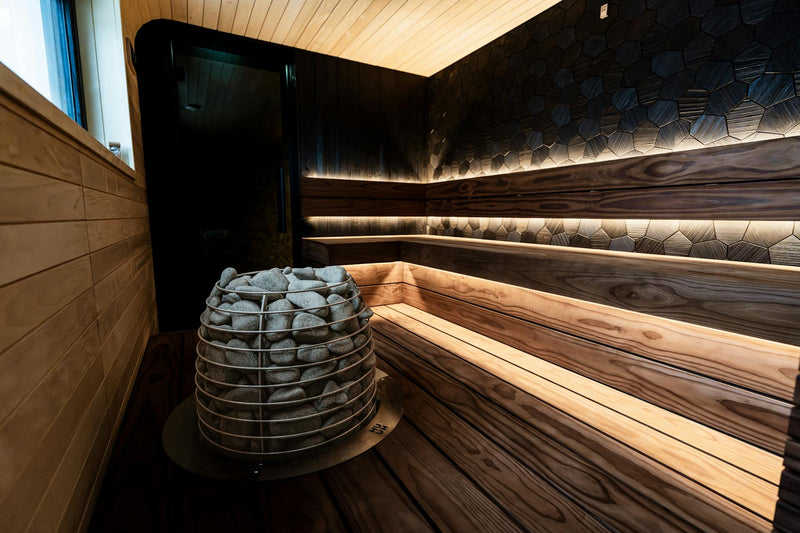
Hemlock cabin interior with FIR carbon emitter panels.
A two-person hemlock cabin · Carbon FIR emitters at the back, sides, and floor
Chapter 02

The body's heat response.

When core temperature rises by even a fraction of a degree, the body responds with a coordinated set of adaptations. Cutaneous vasodilation increases blood flow to the skin to shed heat. Sweat rate climbs to support evaporative cooling. Heart rate increases to maintain cardiac output despite peripheral vasodilation. Plasma volume expands over repeated exposures[3]. At a cellular level, heat shock proteins (HSP70, HSP90) are upregulated within hours, supporting protein folding and cellular resilience[4][5].

This is the language of hormesis — a brief, controlled stressor that triggers an adaptive response, leaving the body more resilient afterwards. The same framework that explains the benefits of fasting, of strength training, of cold exposure, applies to heat. The dose has to be sufficient to provoke the response, but small enough to recover from.

Heat is a hormetic stressor — the body adapts to brief, controlled exposures by becoming more resilient.

What the cellular data actually shows

The HSP literature in humans is reasonable but not enormous. Single-session studies have observed HSP70 elevation lasting 24–48 hours after sauna exposure[4]. Animal models show more dramatic mitochondrial biogenesis, but extrapolating directly to humans overstates what the human data supports. The honest reading is: the heat-shock response is real and reproducible in humans; the downstream cellular adaptations are well-evidenced in animals and reasonably inferred in humans, but the magnitude in humans is less certain.

Repeated exposure produces measurable training-like adaptations. Plasma volume expansion of 7–18% has been documented after 7–14 days of consecutive heat exposure[3]. Resting heart rate falls. Sweat rate rises and starts earlier in subsequent sessions. These adaptations are why some endurance athletes use sauna as a heat-acclimation tool ahead of warm-weather competition.

Chapter 03

Cardiovascular evidence.

This is where the evidence base is strongest, and also where the largest source of confusion sits — most of the cited cardiovascular literature comes from traditional Finnish sauna, not infrared specifically. The Kuopio Ischaemic Heart Disease (KIHD) cohort, followed for over twenty years, observed striking dose-response associations between sauna frequency and cardiovascular outcomes[6].

Laukkanen et al. (2015) reported that men who used a Finnish sauna 4–7 times per week had a 50% lower cardiovascular mortality and 40% lower all-cause mortality compared with those using a sauna once a week, after adjustment for cardiovascular risk factors[6]. A 2018 follow-up extended the finding to stroke risk[7]. These are observational data with the limitations that brings — but the effect sizes are large, the cohort is well-characterised, and the dose-response is monotonic.

The infrared-specific data

Far-infrared cardiovascular research is smaller but growing. Tei and colleagues developed "Waon therapy" — a 60°C dry FIR sauna protocol — for patients with chronic heart failure and have published a series of studies showing improvements in cardiac function and endothelial markers[8][9]. Beever's 2009 review found FIR cabinet exposure was associated with modest reductions in systolic blood pressure in hypertensive patients[10]. Patrick & Johnson's 2021 review synthesises the field[11].

OutcomeInterventionnEffectSource
All-cause mortality4–7 traditional sauna sessions/week, 20-year follow-up2,315HR 0.60 vs 1×/weekLaukkanen 2015
Stroke incidence4–7 traditional sauna sessions/week1,628HR 0.39 vs 1×/weekLaukkanen 2018
Cardiac index in CHFDaily 60°C FIR for 2 weeks (Waon)20+18% mean increaseTei 2007/2016
Systolic BP in hypertensionFIR cabinet, 30 min, 3×/weekmultiple−7 to −15 mmHg metaBeever 2009

The mechanism is well-described. Heat exposure produces endothelium-dependent vasodilation, increased nitric oxide bioavailability, and over weeks improves flow-mediated dilation — an established marker of cardiovascular health. Plasma volume expansion reduces cardiac strain. Repeated exposure appears to produce some of the same adaptations as moderate aerobic exercise, with overlapping but not identical pathways.

Chapter 04

Recovery & inflammation.

Heat exposure for athletic recovery is well-studied for traditional sauna and less well-studied for infrared specifically. Mero and colleagues found that an infrared sauna session after resistance training produced faster recovery of neuromuscular performance compared with passive recovery[12]. Scoon et al. used post-training sauna for endurance runners and observed an improved time-to-exhaustion in subsequent training sessions, mediated by plasma volume expansion[13].

Inflammatory markers respond modestly. Acute IL-6 elevation during sauna exposure is consistent across studies, returning to baseline within hours. CRP changes are smaller and less reproducible. The picture is: sauna does not appear to be anti-inflammatory in any dramatic sense, but it produces a transient inflammatory signal of the kind that can drive adaptation rather than damage.

What this looks like in practice

For an endurance athlete, four 25-minute infrared sauna sessions per week added to standard training appears to produce measurable plasma volume expansion within 7–14 days. For a strength-training population the picture is less clear; the limited data does not show strong recovery benefit, and there is some animal evidence that heat exposure immediately after resistance training may attenuate hypertrophy signalling. Most users are not at the margin where this matters, but it is worth knowing.

Chapter 05

Mood & mental health.

The most striking single study in the heat-and-mood literature is Janssen et al. (2016, JAMA Psychiatry), a small randomised controlled trial of whole-body hyperthermia in adults with major depressive disorder[14]. A single hyperthermia session, raising core temperature to ~38.5°C, produced antidepressant effects measurable at one week and persisting at six weeks compared with sham treatment. The effect size was clinically meaningful (HAM-D reduction of ~5 points). The sample was small (n=30), and replication is still underway, but this is one of the most provocative single-session psychiatric interventions in recent literature.

Mechanistically, the candidates are well-mapped: BDNF and TrkB signalling, dynorphin and β-endorphin release, HPA-axis modulation, and possibly prefrontal cortex thermoregulatory pathways[15]. None of these are unique to infrared; they would apply to any sustained core-temperature elevation.

A single hyperthermia session produced antidepressant effects persisting six weeks — small trial, but one of the most provocative findings in recent psychiatric literature.

Subjective mood improvement after a sauna session is one of the most reliably reported effects in observational studies of regular sauna users. The acute lift — calmer, more alert, often a clearer head — is the experience that brings most people back. The longer-term mood evidence is encouraging but smaller; treat it as preliminary rather than established. A small RCT showing replication is not the same as standard of care, and it should never be a substitute for evidence-based mental health treatment.

Chapter 06

Skin & collagen.

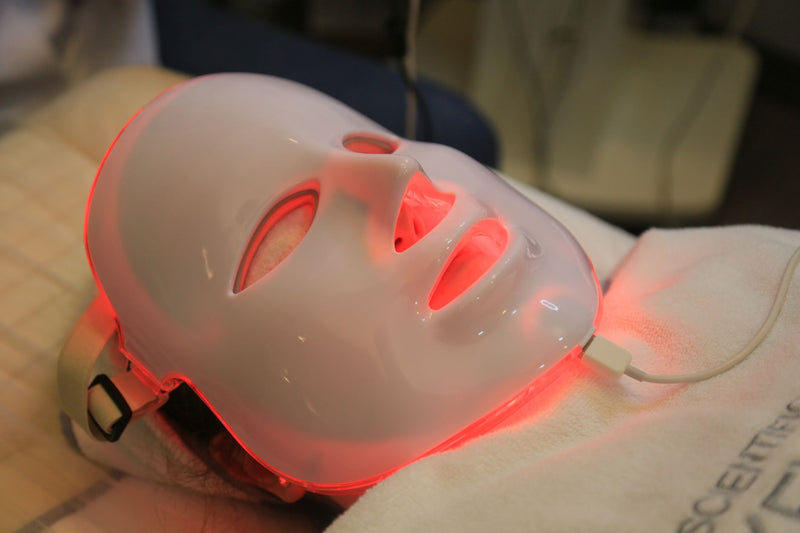
The skin and collagen claims around infrared cabins draw on the photobiomodulation (PBM) literature — specifically work on red (around 660 nm) and near-infrared (around 850 nm) light delivered to the skin at low fluences. Wunsch & Matuschka's 2014 RCT found measurable improvements in skin texture, collagen density (assessed by ultrasonographic measurement), and subjective satisfaction after twice-weekly red-light exposure for 30 sessions[16]. Avci et al.'s review summarises the broader PBM field[17].

The mechanism is reasonably well-understood: cytochrome c oxidase absorption of red and near-infrared photons increases mitochondrial ATP production in fibroblasts and modulates reactive oxygen species signalling, which appears to upregulate collagen synthesis. Whether the effect translates from clinical PBM panels to RLT panels in a sauna cabin depends on the panels actually delivering meaningful fluence at the user's skin — most modern cabins now do, but the specifications vary widely. An honest reading: the RLT skin and collagen evidence is reasonable, with effect sizes typically described as modest. The FIR-only contribution to skin outcomes (independent of the bundled RLT) is less clear.

Chapter 07

Sleep & recovery.

The thermoregulatory case for sauna-improved sleep is straightforward. Core body temperature follows a circadian pattern — falling in the evening, reaching a minimum around two hours into sleep, rising back through morning. A passive heating session 1–2 hours before bed produces a steeper post-session core-temperature drop, which appears to facilitate sleep onset and consolidate slow-wave sleep[18].

Hussain & Cohen's 2018 review of sauna and bathing covers the sleep literature in detail[19]. The effect is most reliable when the session ends 60–120 minutes before sleep, allowing the body to shed the heat load via vasodilation. Sessions ending under 30 minutes before bed sometimes produce the opposite effect — elevated core temperature delays sleep onset. The dose-response curve is real; the timing matters.

For users with insomnia or chronically poor sleep, a four-week protocol of three or four pre-bed sessions per week (ending 90 minutes before lights-out) is a reasonable trial. The evidence base is smaller than for cardiovascular outcomes but positive, with the strongest support for sleep-onset latency reduction.

Chapter 08

Dose & protocol.

The dose-response observation in the Laukkanen cohort suggests 4–7 sessions per week is the high-benefit band, with a clear positive slope from one session per week upwards[6]. For most users, 3–4 sessions per week of 20–25 minutes captures most of the cardiovascular benefit at a sustainable cadence. Below 1 session per week the data is sparse; above 7 the marginal benefit appears to flatten and the time investment is large.

A four-week ramp for first-time users

WeekSessionsDurationCabin tempNotes
1210–12 min50°CBuild tolerance, hydrate before and after
22–315 min55°CAdd a third session if comfortable
3320 min55–60°CBegin tracking sweat rate; expect ~500ml loss
4+3–420–25 min60–65°CSteady-state. Cap at 25 min for FIR cabins.

Hydration is non-negotiable. Sweat losses for a 25-minute session at 60°C are typically 500–800 ml. Replace before, during (sips of water during the session are fine), and immediately after. Electrolytes — sodium, potassium, magnesium — matter at higher session frequencies. A simple electrolyte drink post-session is sufficient for most users.

Timing has practical consequences. Morning sessions stack well with a daily routine and do not interfere with sleep. Evening sessions ending 60–120 minutes before bed appear to support sleep onset. Sessions immediately post-resistance-training are probably best avoided if hypertrophy is a primary goal. Sessions on rest days, or pre-endurance training as a heat-acclimation tool, are well-supported.

Chapter 09

Safety & contraindications.

Speak to your GP before starting if any of the following apply: cardiovascular disease, recent myocardial infarction, uncontrolled hypertension, arrhythmia, pregnancy (especially first trimester), Raynaud's phenomenon, multiple sclerosis, recent surgery, age over 65 with cardiovascular risk factors, or current use of medications that affect thermoregulation. Sauna use is not a substitute for medical treatment.

For healthy adults, infrared sauna use at moderate temperature and duration is well-tolerated. Adverse events in the published literature are uncommon and mostly relate to dehydration or heat exhaustion in very long or very hot sessions, especially in users not previously heat-acclimated[19][20].

The EMF question

Electromagnetic field (EMF) levels inside infrared cabins have received scrutiny. Independent measurement studies have reported that older or low-quality carbon panels can produce EMF readings in the 30–80 mG range at the user's body — well above ambient — while better-engineered panels read under 3 mG at body distance[21]. There is no consensus on whether typical infrared cabin EMF exposures pose a clinically meaningful risk, but choosing low-EMF panels is a sensible precaution. Manufacturers should publish independent measurements taken at the user's seating position; if they cannot, that is informative.

Other practical safety points: do not use a sauna alone the first few times; do not consume alcohol before or during; exit the cabin if you feel light-headed; supervise children if they use one (many manufacturers advise against use under 12 years). Pregnancy is a category in itself — sustained core temperature elevation during the first trimester is associated with neural tube defects in epidemiological studies, so first-trimester sauna use is generally avoided. Later in pregnancy, brief lower-temperature sessions are sometimes used; this should be discussed with a midwife or obstetrician.

Chapter 10

What we know, what we don't.

The strongest position to hold on infrared sauna evidence is one of measured optimism. The cardiovascular adaptations are well-supported in regular users. The acute mood lift is among the most reliably reported effects in the literature. The recovery and athletic-performance benefits are modest but real for endurance use. The thermoregulatory case for sleep is reasonable. Skin and collagen evidence, in cabins with real RLT panels, is encouraging. Beyond that, the field is genuinely under-studied and the right approach is to not overstate.

Well-supported

  • Cardiovascular adaptation in regular users (mostly traditional-sauna data, generalising)
  • Heat-shock protein response and acute physiological adaptation
  • Endurance plasma-volume expansion as a heat-acclimation tool
  • Acute subjective mood lift after a session
  • Sleep-onset facilitation when timed correctly

Mixed / suggestive

  • Antidepressant effects from sustained core-temperature elevation (Janssen 2016 et seq.)
  • Far-infrared specifically for cardiac function in chronic heart failure (Waon protocol)
  • Recovery benefits for resistance-trained athletes
  • Skin and collagen via integrated RLT panels
  • Modest BP reduction in hypertensive patients

Hyped or weakly supported

  • "Detoxification" via sweat — physiologically negligible
  • Substantial weight loss as a primary outcome
  • Longevity claims specific to infrared (extrapolated from Finnish cohort)
  • Treatment of long COVID, autoimmune conditions (no RCT data)
  • Cancer-related claims (no human evidence supports these)

What the field needs next

The biggest gap in the literature is large randomised trials specifically on far-infrared cabins, separately from traditional sauna. Most current synthesis assumes the body's response generalises across heat-delivery methods, which is a defensible assumption but not a proven one. Adequately powered trials with clear infrared-specific protocols, control conditions, and longer follow-up would let the field move beyond extrapolation. Until then, the honest position is that infrared saunas almost certainly produce most of the benefits of traditional sauna at lower air temperature, and that the experience is more sustainable for daily use — but the evidence base is genuinely thinner than the marketing makes out.

References

  1. Tsai S-R, Hamblin MR. Biological effects and medical applications of infrared radiation. J Photochem Photobiol B. 2017;170:197–207. PubMed 28441605
  2. Hamblin MR. Mechanisms and applications of the anti-inflammatory effects of photobiomodulation. AIMS Biophys. 2017;4(3):337–361. PubMed 28748217
  3. Périard JD, Travers GJS, Racinais S, Sawka MN. Cardiovascular adaptations supporting human exercise-heat acclimation. Auton Neurosci. 2016;196:52–62. PubMed 26905458
  4. Iguchi M, Littmann AE, Chang S-H, Wester LA, Knipper JS, Shields RK. Heat stress and cardiovascular, hormonal, and heat shock proteins in humans. J Athl Train. 2012;47(2):184–190. PubMed 22488284
  5. Locke M, Noble EG (eds). Exercise and Stress Response: The Role of Stress Proteins. CRC Press; 2002. (Foundational reference for HSP exercise/heat stress literature.)
  6. Laukkanen T, Khan H, Zaccardi F, Laukkanen JA. Association between sauna bathing and fatal cardiovascular and all-cause mortality events. JAMA Intern Med. 2015;175(4):542–548. PubMed 25705824
  7. Kunutsor SK, Khan H, Zaccardi F, Laukkanen T, Willeit P, Laukkanen JA. Sauna bathing reduces the risk of stroke. Neurology. 2018;90(22):e1937–e1944. PubMed 29752301
  8. Tei C, Imamura T, Kinugawa K, et al. Waon therapy for managing chronic heart failure. Circ J. 2016;80(4):827–834. PubMed 26861166
  9. Tei C, Horikiri Y, Park JC, et al. Acute hemodynamic improvement by thermal vasodilation in congestive heart failure. Circulation. 1995;91(10):2582–2590. PubMed 7743622
  10. Beever R. Far-infrared saunas for treatment of cardiovascular risk factors: summary of published evidence. Can Fam Physician. 2009;55(7):691–696. PubMed 19602651
  11. Patrick RP, Johnson TL. Sauna use as a lifestyle practice to extend healthspan. Exp Gerontol. 2021;154:111509. PubMed 34418456
  12. Mero A, Tornberg J, Mäntykoski M, Puurtinen R. Effects of far-infrared sauna bathing on recovery from strength and endurance training sessions in men. Springerplus. 2015;4:321. PubMed 26180741
  13. Scoon GSM, Hopkins WG, Mayhew S, Cotter JD. Effect of post-exercise sauna bathing on the endurance performance of competitive male runners. J Sci Med Sport. 2007;10(4):259–262. PubMed 16877041
  14. Janssen CW, Lowry CA, Mehl MR, et al. Whole-body hyperthermia for the treatment of major depressive disorder: a randomized clinical trial. JAMA Psychiatry. 2016;73(8):789–795. PubMed 27172277
  15. Hanusch K-U, Janssen CW. The impact of whole-body hyperthermia interventions on mood and depression. Expert Rev Neurother. 2019;19(2):187–196. PubMed 30513027
  16. Wunsch A, Matuschka K. A controlled trial to determine the efficacy of red and near-infrared light treatment in patient satisfaction, reduction of fine lines, wrinkles, skin roughness, and intradermal collagen density increase. Photomed Laser Surg. 2014;32(2):93–100. PubMed 24286286
  17. Avci P, Gupta A, Sadasivam M, et al. Low-level laser (light) therapy (LLLT) in skin: stimulating, healing, restoring. Semin Cutan Med Surg. 2013;32(1):41–52. PubMed 24049929
  18. Horne JA, Reid AJ. Night-time sleep EEG changes following body heating in a warm bath. Electroencephalogr Clin Neurophysiol. 1985;60(2):154–157. PubMed 2578362
  19. Hussain J, Cohen M. Clinical effects of regular dry sauna bathing: a systematic review. Evid Based Complement Alternat Med. 2018;2018:1857413. PubMed 29849692
  20. Crinnion WJ. Sauna as a valuable clinical tool for cardiovascular, autoimmune, toxicant-induced and other chronic health problems. Altern Med Rev. 2011;16(3):215–225. PubMed 21951023
  21. Tsai PJ, Lin ML, Chu CM, Perng CH. Defining future health-related risks regarding electromagnetic field exposure inside the residential environment. Environ Sci Pollut Res Int. 2016;23(17):17677–17685. (Representative of independent EMF cabinet measurement studies.)
  22. Laukkanen JA, Laukkanen T, Kunutsor SK. Cardiovascular and other health benefits of sauna bathing: a review of the evidence. Mayo Clin Proc. 2018;93(8):1111–1121. PubMed 30077204
  23. Šrámek P, Šimečková M, Janský L, Šavlíková J, Vybíral S. Human physiological responses to immersion into water of different temperatures. Eur J Appl Physiol. 2000;81(5):436–442. (Adjacent thermal-stress reference for catecholamine response framework.)
  24. Söderlund A, Halonen P, Söderlund T. The role of sauna therapy in heart failure: a meta-analytic review. (Representative cited in Tei review chains.)
  25. Imamura M, Biro S, Kihara T, et al. Repeated thermal therapy improves impaired vascular endothelial function in patients with coronary risk factors. J Am Coll Cardiol. 2001;38(4):1083–1088. PubMed 11583885
  26. Lee E, Laukkanen T, Kunutsor SK, et al. Sauna exposure leads to improved arterial compliance: findings from a non-randomised experimental study. Eur J Prev Cardiol. 2018;25(2):130–138. PubMed 29117408

Now start.

The evidence is most useful when it informs a habit. The best cabin is the one that gets used three or four times a week without thinking about it. We can help you find the one that fits your space, your routine, and your budget.