Ice Baths.
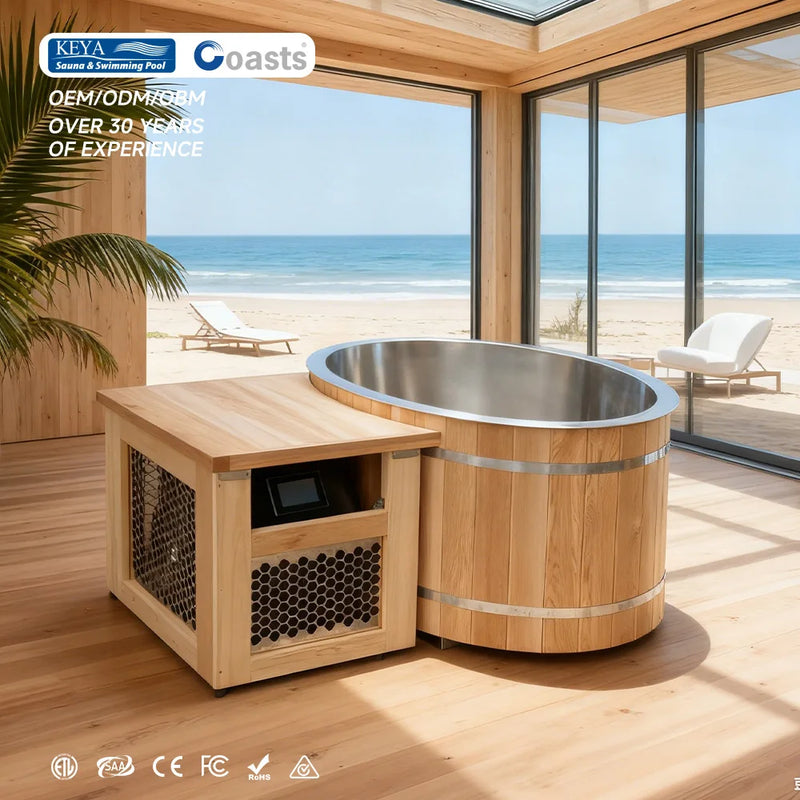
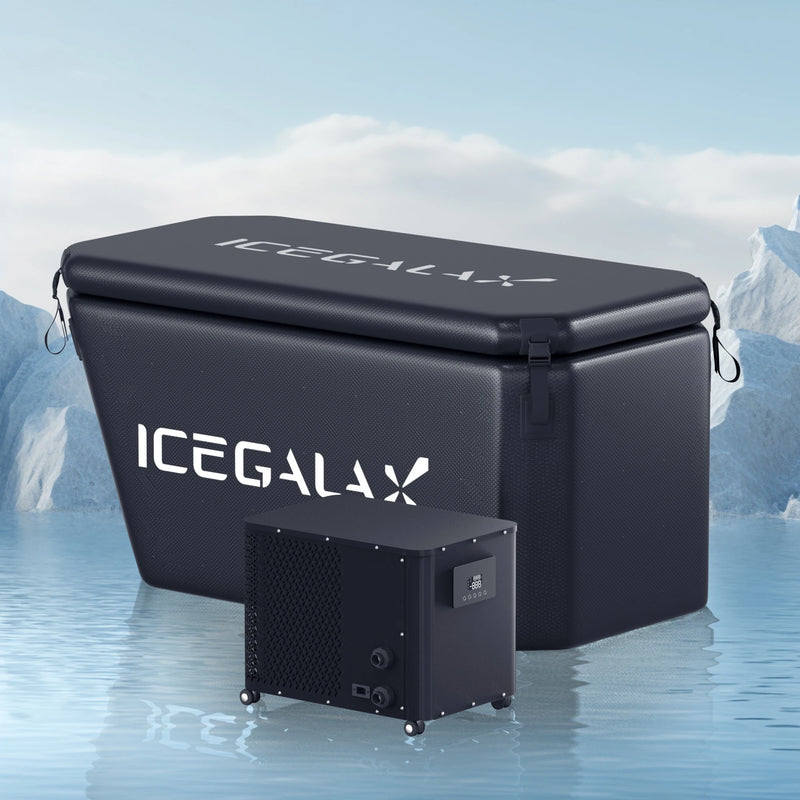
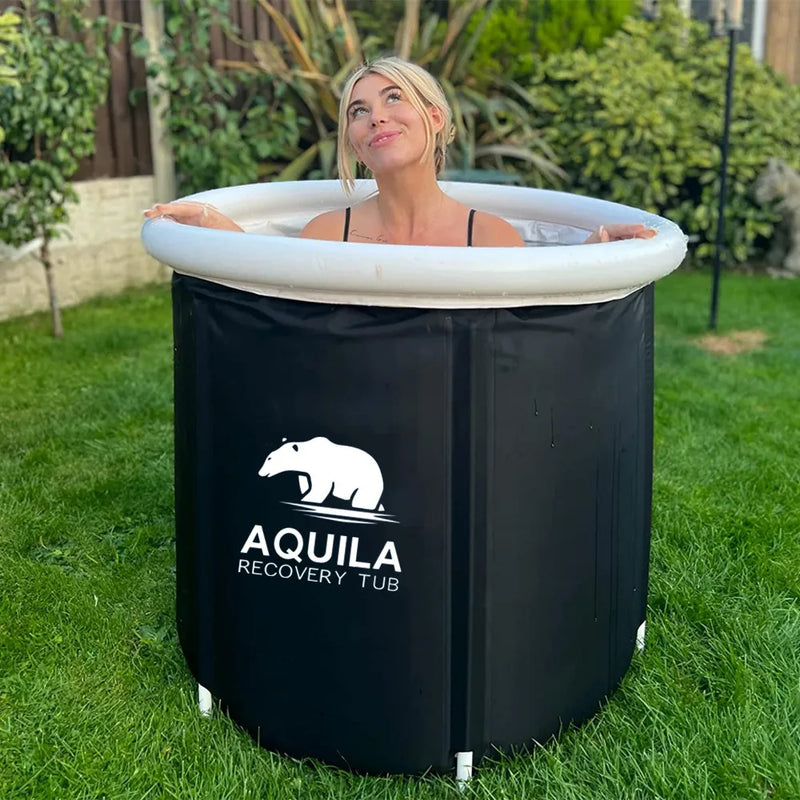
Cold-water immersion units, from inflatable barrels for first-time users to cedar-clad chiller-fed tubs that hold 3°C through a British summer. Most plug into a 13A socket; outdoor models are rated for UK winters.
Ice baths, the practical version.
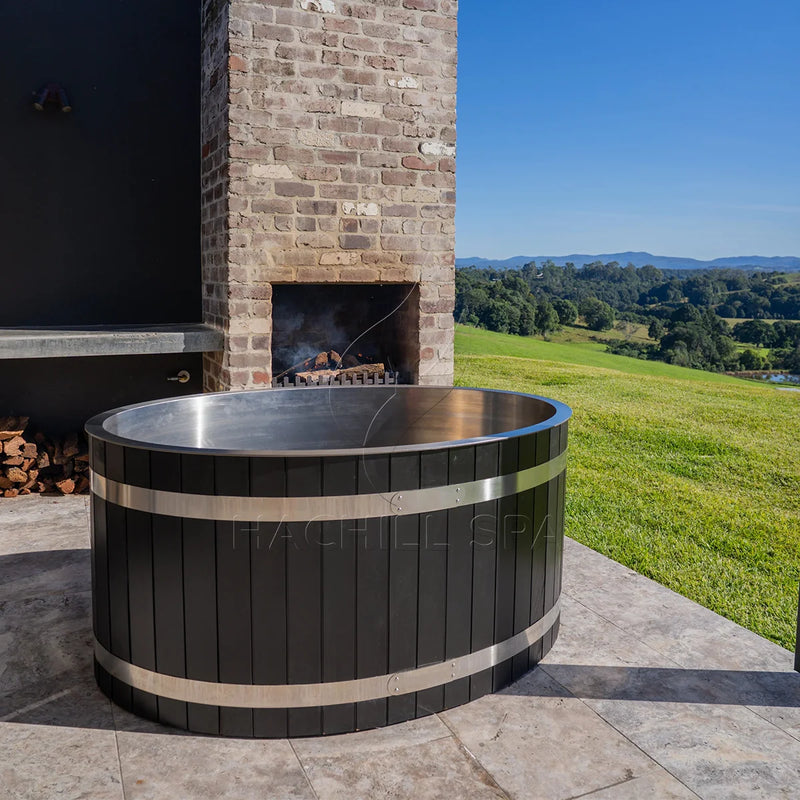
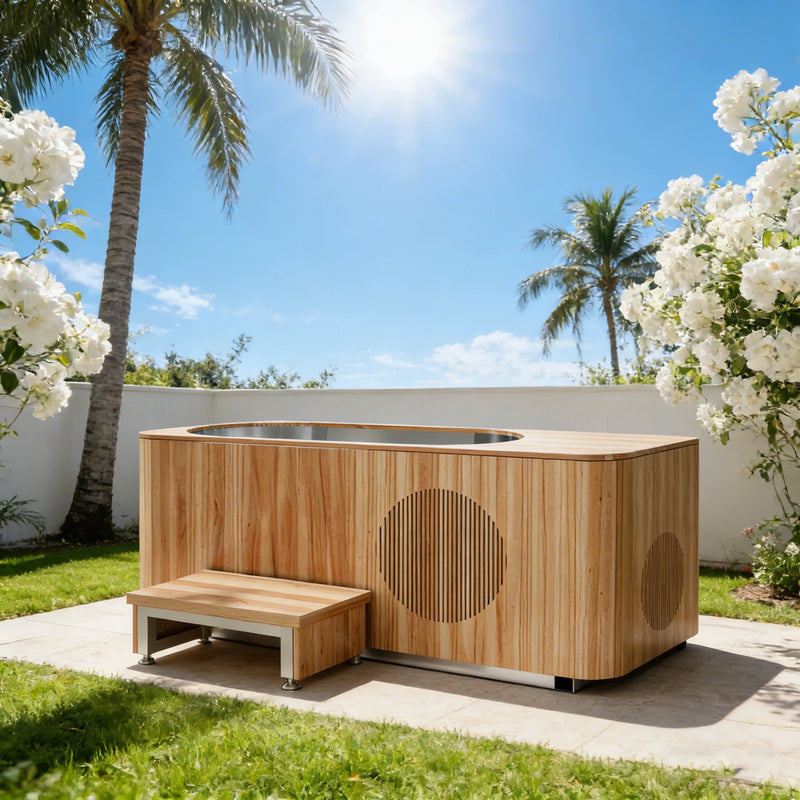
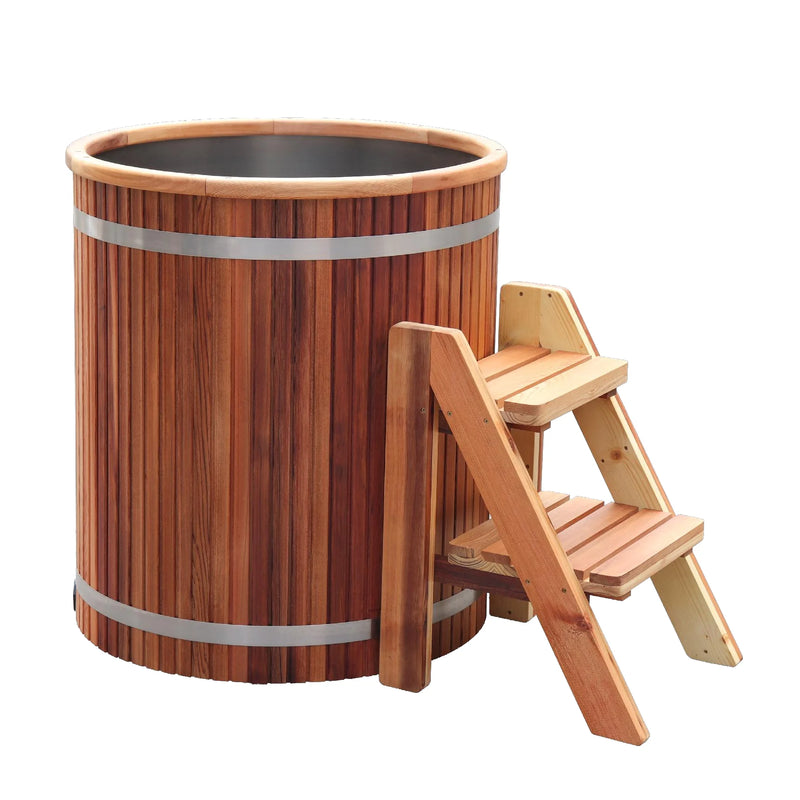
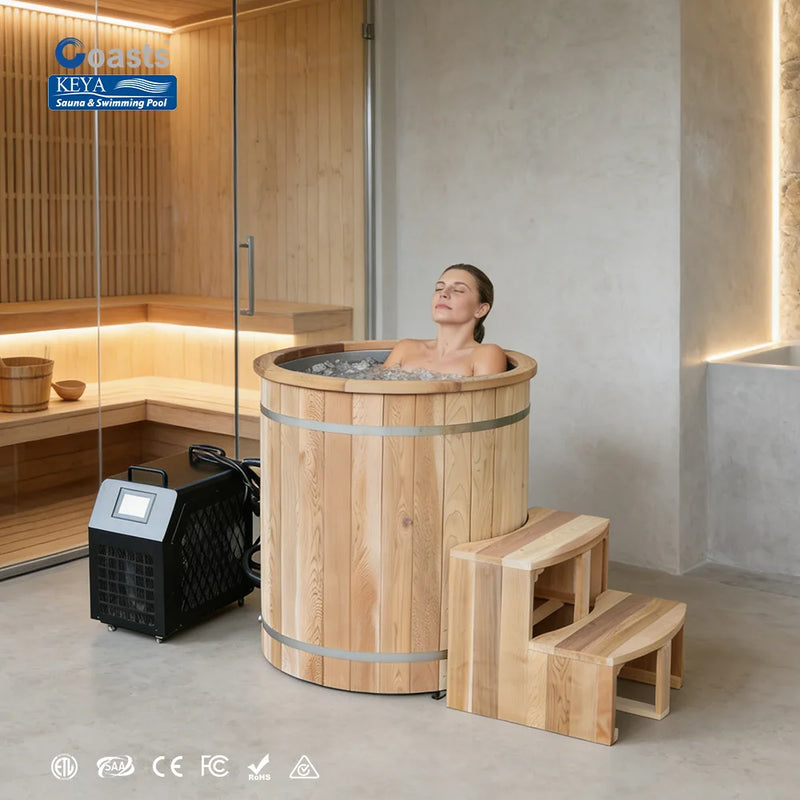
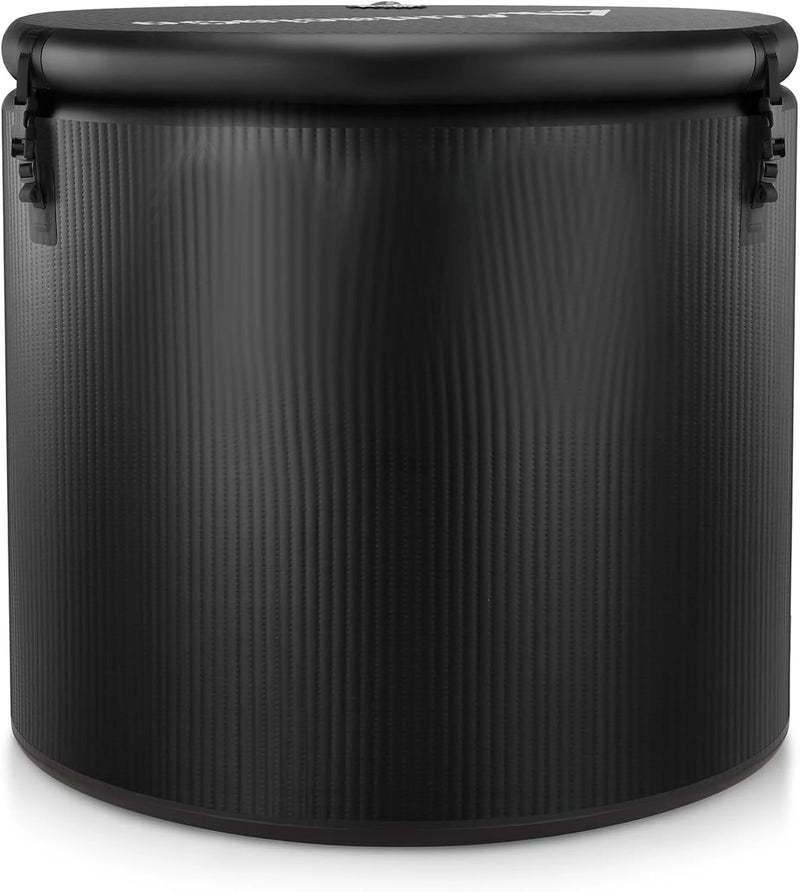
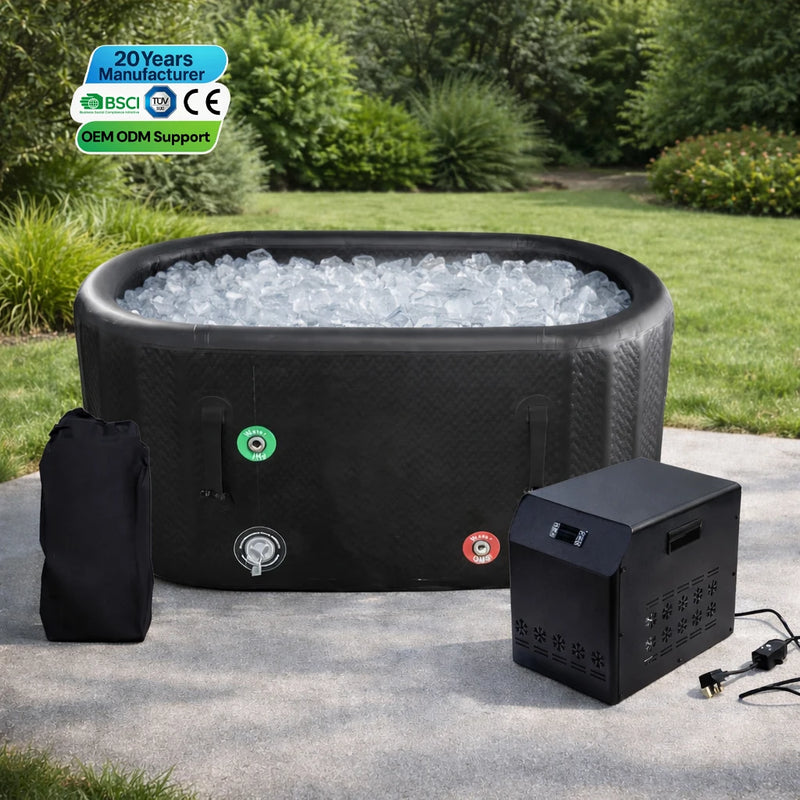
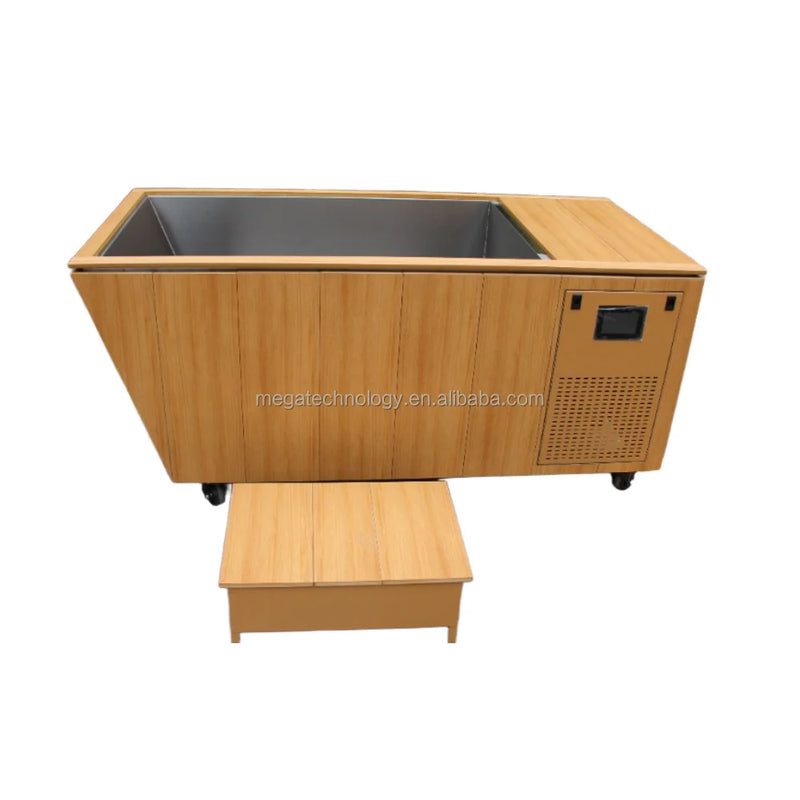
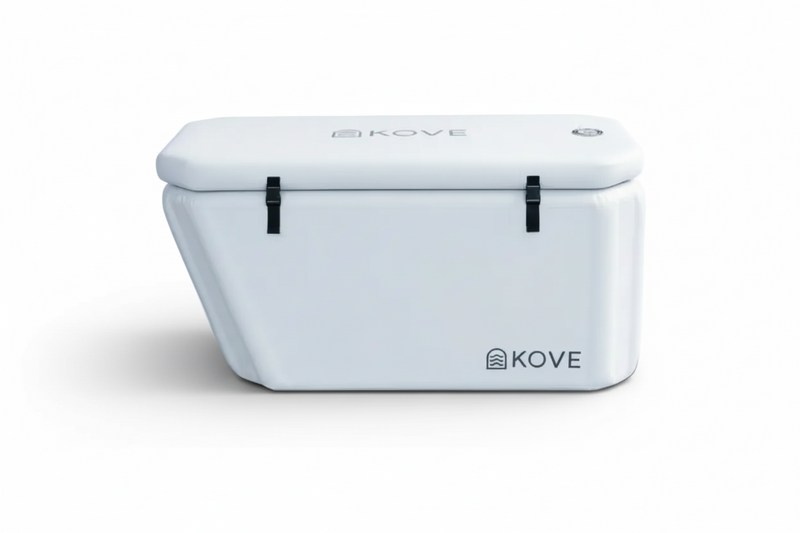
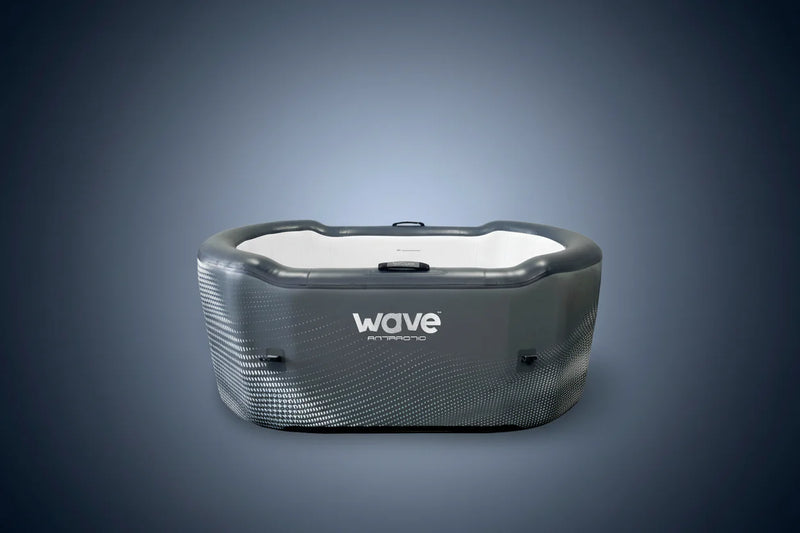
An ice bath is a tub of cold water (usually held between 3°C and 12°C) that you sit in for two to five minutes at a time. The format ranges from a £200 inflatable that you fill with garden hose water and bags of supermarket ice, through to a £4,000 chiller-fed cedar tub that holds your chosen temperature year round. The right format depends on how often you intend to use it and where it will live.
For first-time users, an inflatable or barrel tub with manual ice is the right starting point. The unit costs little, sets up in twenty minutes, and lets you try the habit before committing to a permanent install. Most owners who stick with cold-water immersion graduate to a chiller-fed unit within twelve months, primarily to remove the daily ice-buying friction. The chiller does the work of holding temperature, the tub does the work of holding the user.
UK practicalities matter more for ice baths than for saunas because the unit holds water and lives outdoors. The base must be level and load-rated for around 250 kg when the tub is full. Mains water within hose reach makes filling and refilling straightforward. An outdoor 13A or 16A socket is necessary if you opt for a chiller. Insulated covers reduce daily energy cost by 30 to 60 percent during the winter and are worth the upgrade.
Asked & answered.
Common questions about ice baths. Anything missing, call or email us.
What temperature is right for daily use?
Most regular users settle between 5°C and 10°C for a two-to-five-minute session. Beginners often start at 12°C and work down. Below 4°C, the cold-shock response increases sharply; we would not recommend daily home use below 3°C.
How often should I change the water?
With a chiller and proper sanitation (UV or ozone), water can stay clear for six to eight weeks of daily use. Without a chiller, water should be drained and refilled every five to seven days. A pre-rinse before entering (a quick shower) extends water life significantly.
Is cold-water immersion safe for everyone?
For most healthy adults, brief immersion in cold water is well tolerated. People with cardiovascular conditions, uncontrolled hypertension, certain heart-rhythm conditions, or pregnancy should consult a GP first. The cold-shock response (sudden gasping and elevated heart rate during the first thirty seconds) is universal and well-documented; it eases with regular use.
How long should a session be?
Two to five minutes is the sensible range for daily home use at 5-10°C. Longer is not necessarily better, most of the documented physiological response happens in the first three minutes. Beginners often manage thirty seconds to a minute and build up over a fortnight.
Inflatable, barrel or wooden tub?
Inflatable: lowest entry, packs away, two to three years of life. Barrel (typically polypropylene or fibreglass): mid-range, more permanent, five to eight years. Wooden cedar tub: longest life, best aesthetic, more demanding installation. Most committed users land on a wooden tub paired with a chiller within their first year.