Inflatable Ice Baths.
Inflatable ice baths, drop-stitch construction tubs that inflate from a small electric pump and hold their shape under water pressure. The lowest-friction way to start a daily cold-water habit.

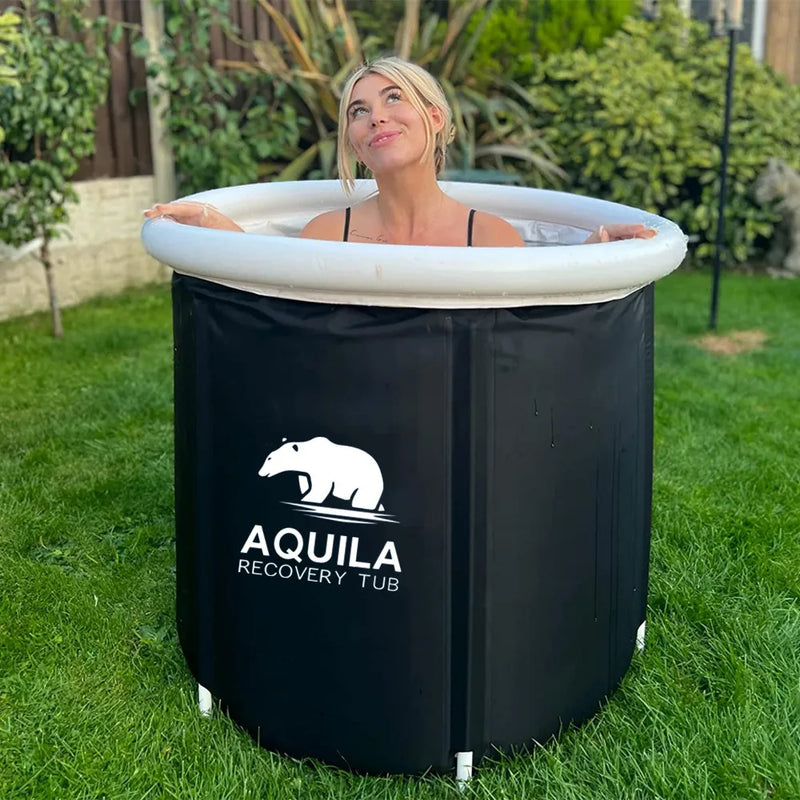
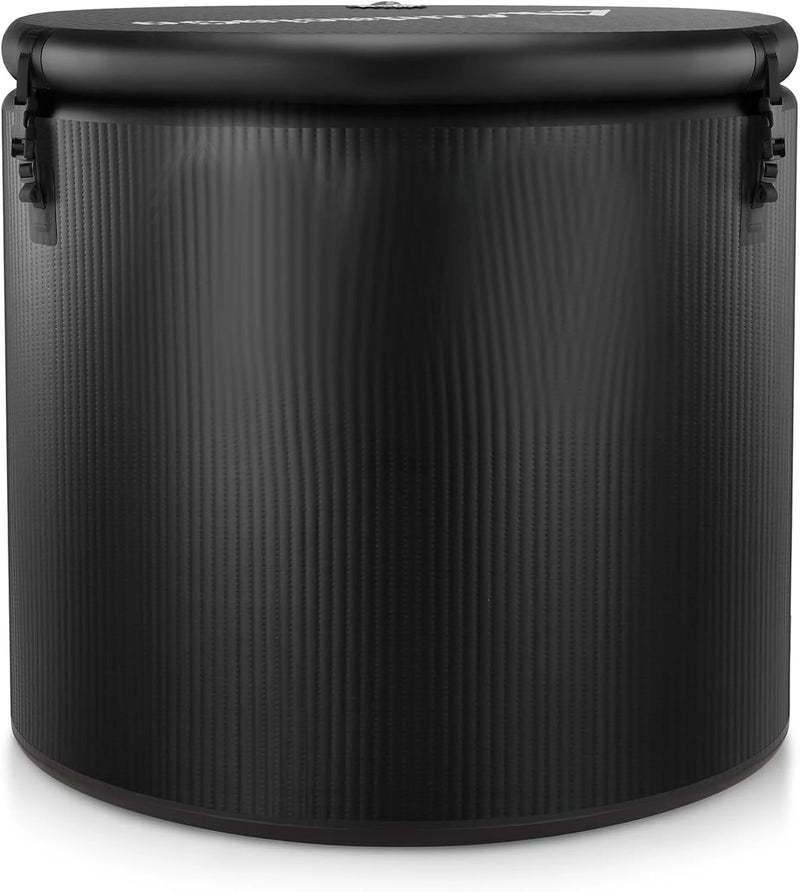
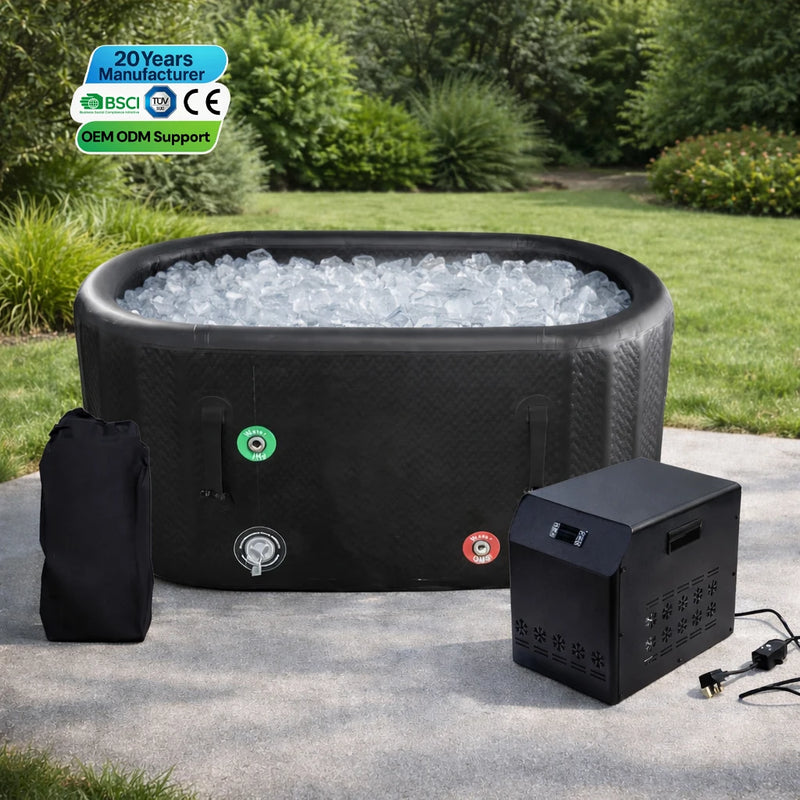
Inflatable ice baths, in plain language.
An inflatable ice bath uses drop-stitch fabric construction (the same technology behind stand-up paddle boards) to create a rigid-walled tub from a few millimetres of multi-layer PVC. Once inflated to working pressure (typically 7-10 PSI), the walls behave like solid panels: they hold their shape against the weight of 300 litres of water and an adult occupant. Deflated, the tub rolls into a duffel bag the size of a yoga mat.
The case for an inflatable over a hard-sided portable is purely about packability. If you intend to leave the tub set up permanently, a hard-sided unit is more durable and slightly easier to maintain. If you want to take the tub to a festival, a holiday cottage, or simply pack it away during the working week, the inflatable is the right answer. Performance through a session is comparable.
Things to check: inflation pressure rating (lower than 5 PSI means floppy walls), seam construction (heat-welded is correct, glued is suspect), and the bottom valve quality (the failure point on most cheap units). A good inflatable runs three to four years of regular use; a weak one fails inside the first season. Compatibility with a chiller is universal, every inflatable in our range takes a standard hose-barb adapter.
Asked & answered.
Common questions about inflatable ice baths. Anything missing, call or email us.
How long does inflation take?
Five to ten minutes from rolled to fully pressurised, using the supplied electric pump. Manual pumping is possible but slow. Once inflated, the tub holds pressure for several weeks before needing a top-up.
Will the walls collapse if I lean on them?
No. Drop-stitch construction at 7 PSI gives walls roughly the rigidity of a hardwood plank. You can climb in and out using the side wall for support without flex. The most common failure mode is wear at the floor seam, not the walls.
Can I puncture it?
The PVC is rated for high-pressure use and resists most domestic punctures. Sharp items such as keys or jewellery worn into the tub are the obvious risks. A repair patch kit ships with most units; punctures heal within twenty minutes of patching.
Where can I store it?
Folded inside its supplied bag the tub is roughly the size of a yoga-mat duffel, fits in a wardrobe, under the stairs, or in the boot of a car. Most owners store it dry between long pauses; for daily use, leaving it inflated outdoors with a cover is the more practical option.
Is it as warm as a hard-sided tub during winter?
Insulation is similar, the multi-layer PVC traps an air gap that performs comparably to fibreglass at typical ambient temperatures. The water inside cools toward ambient overnight whether the tub is hard or inflatable. An insulated cover matters more than the tub material for overnight temperature retention.