Outdoor Saunas.
Saunas built for the garden, barrel, pod and flat-walled cabins in cedar, thermo-aspen and hemlock. Wood-fired, electrically heated, or infrared. Treated for UK weather rather than tolerating it.
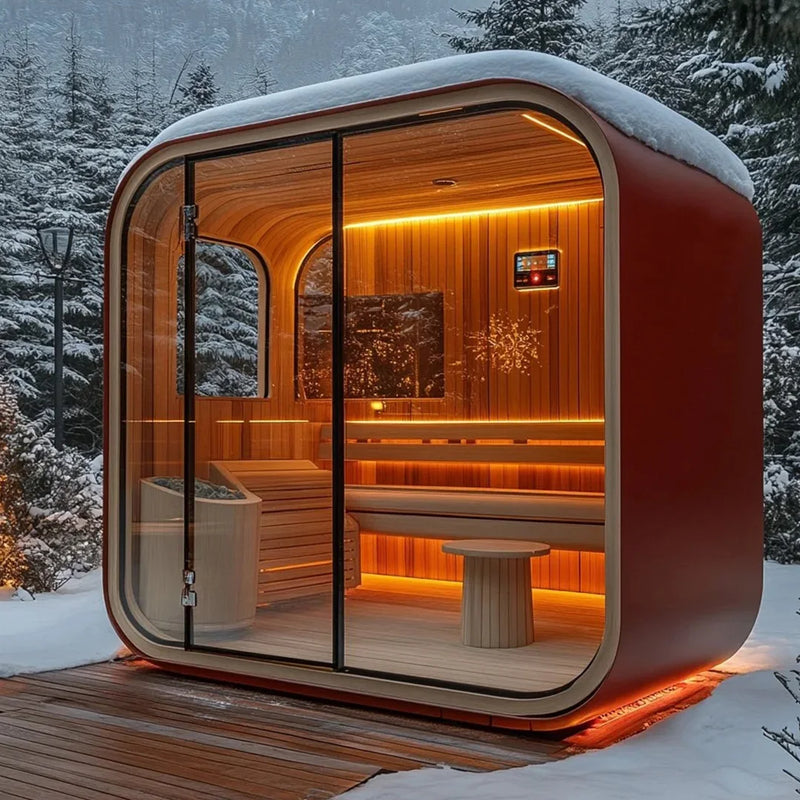
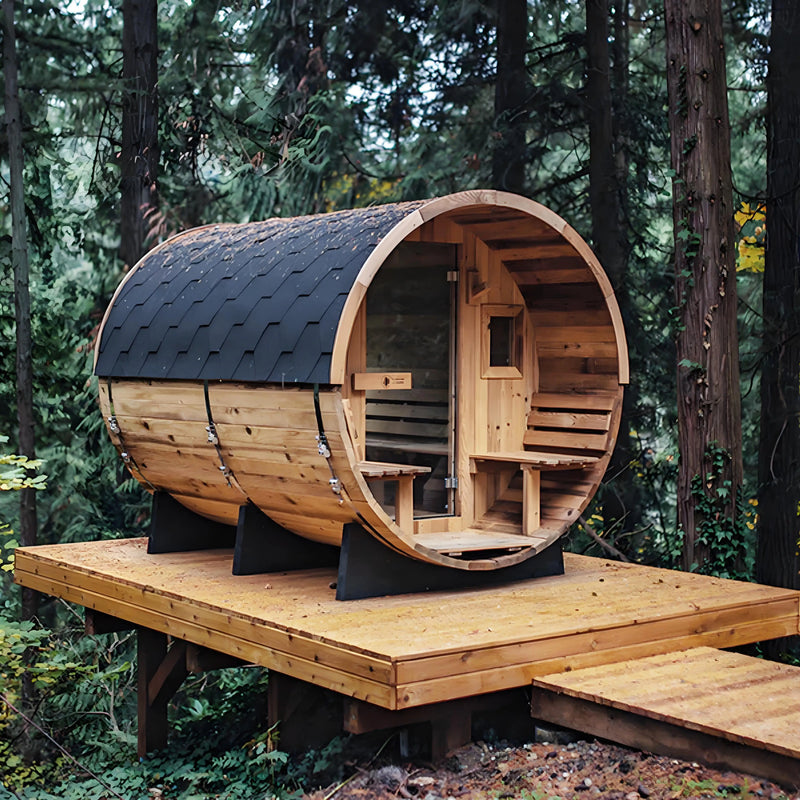
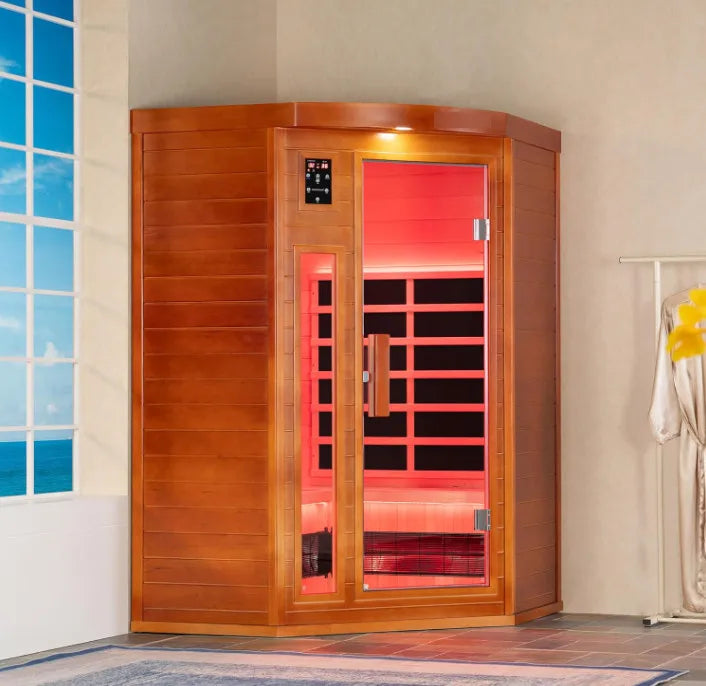
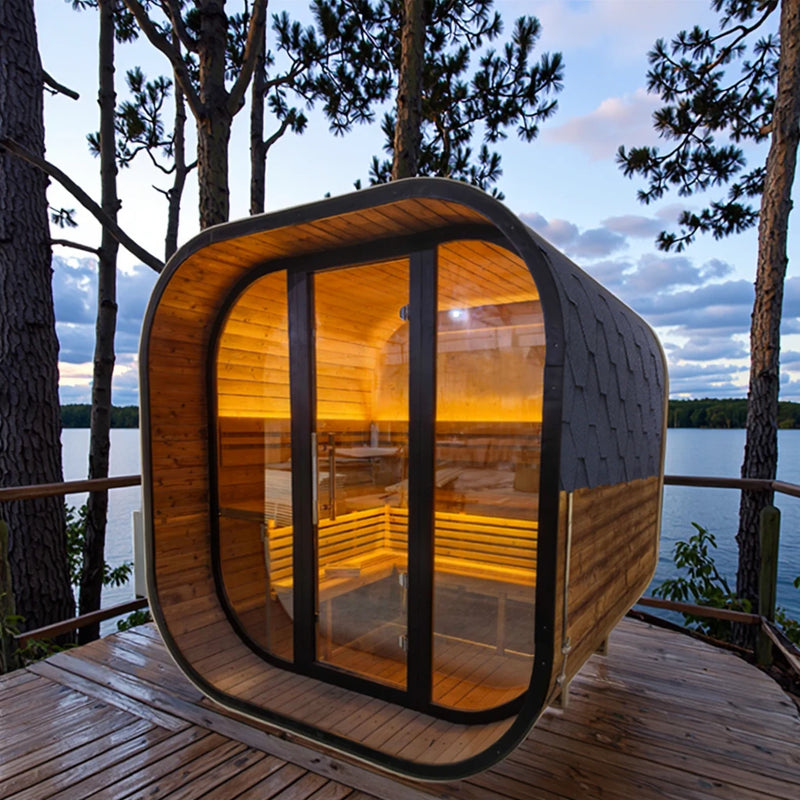
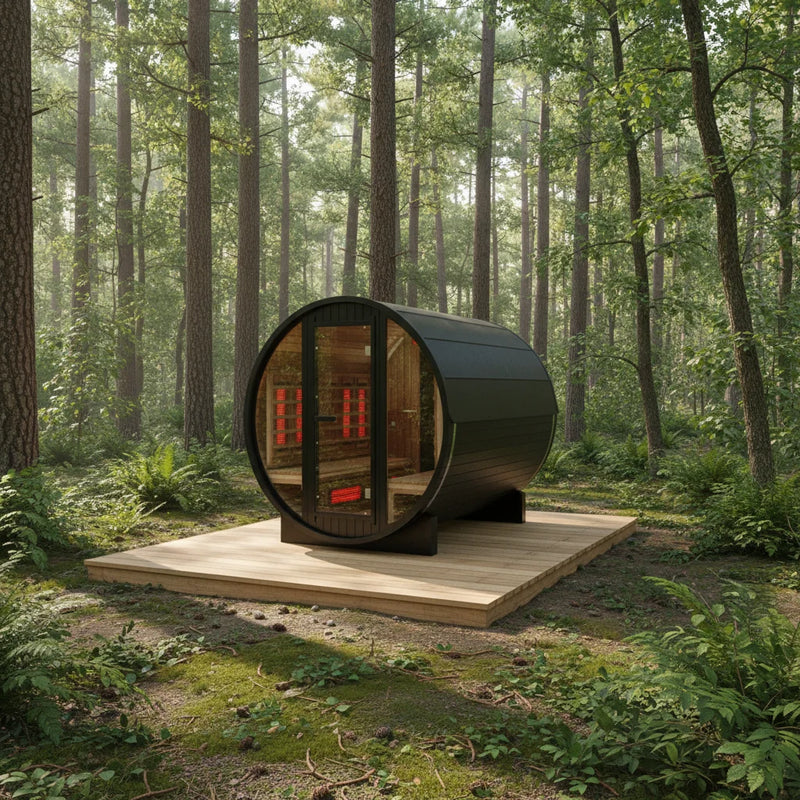
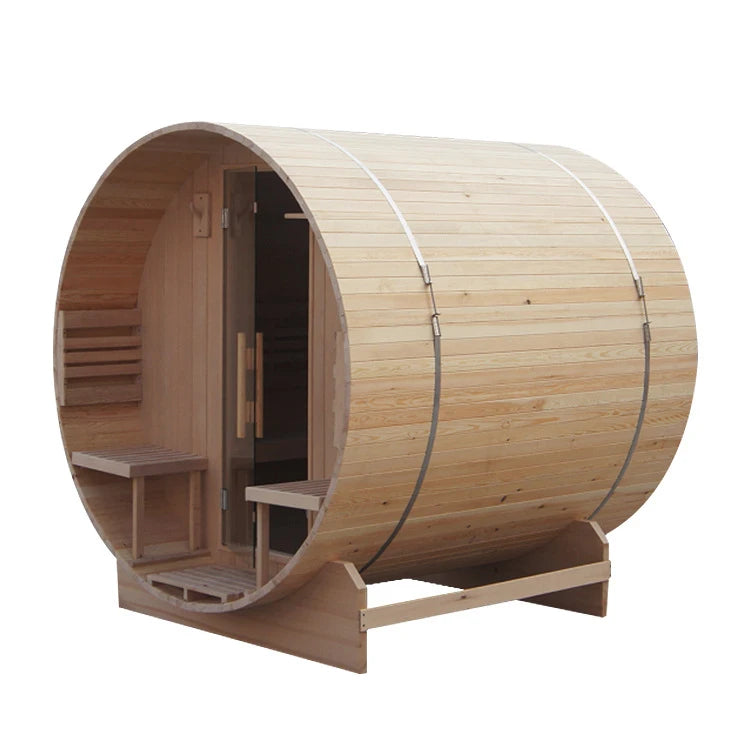
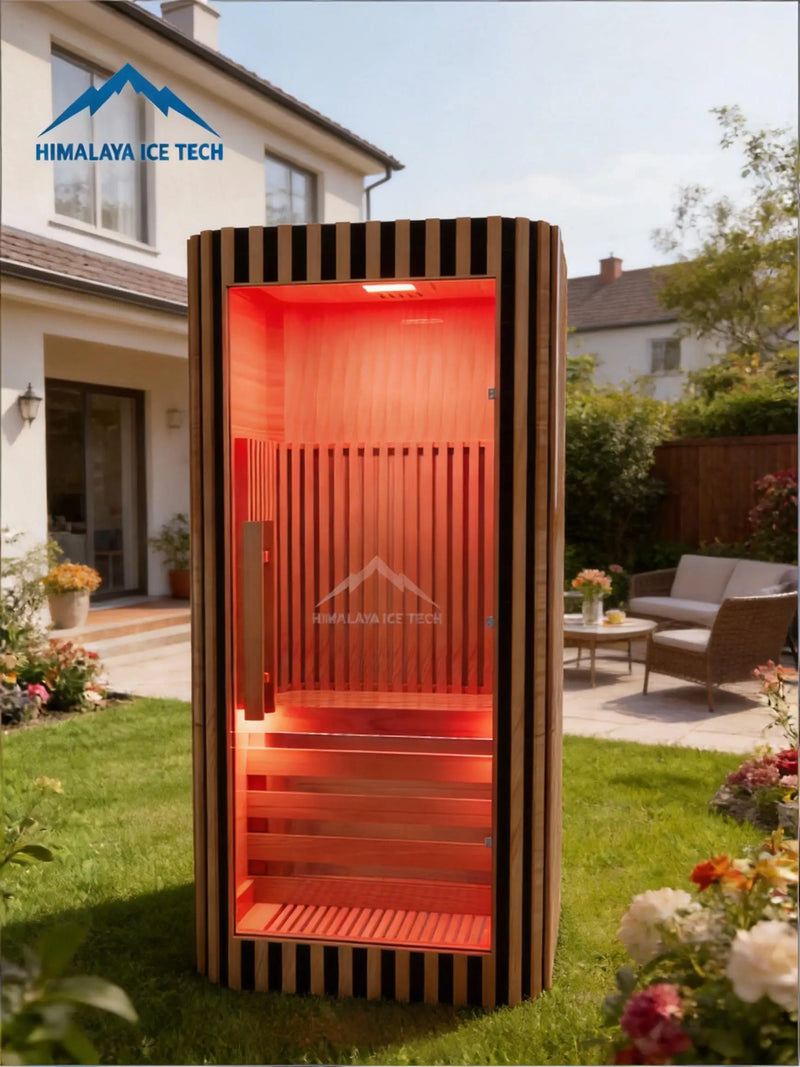
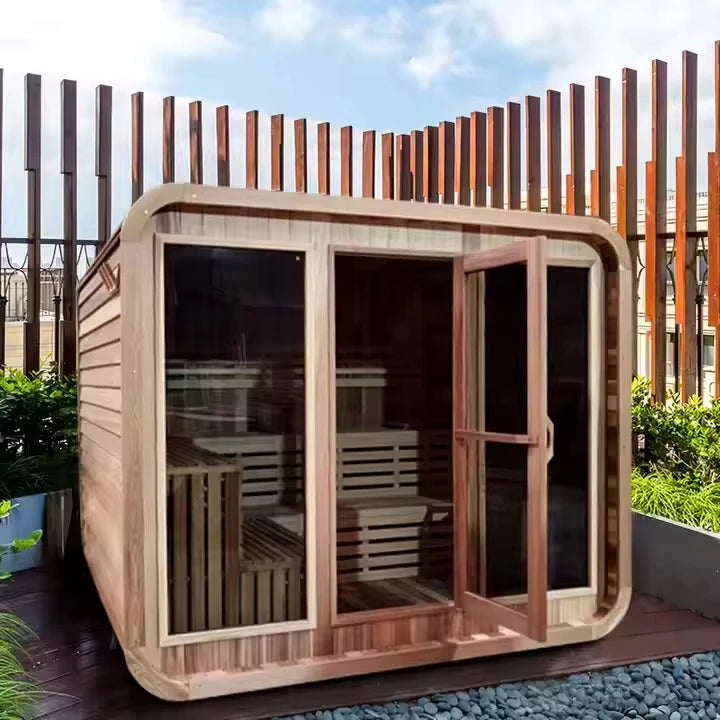
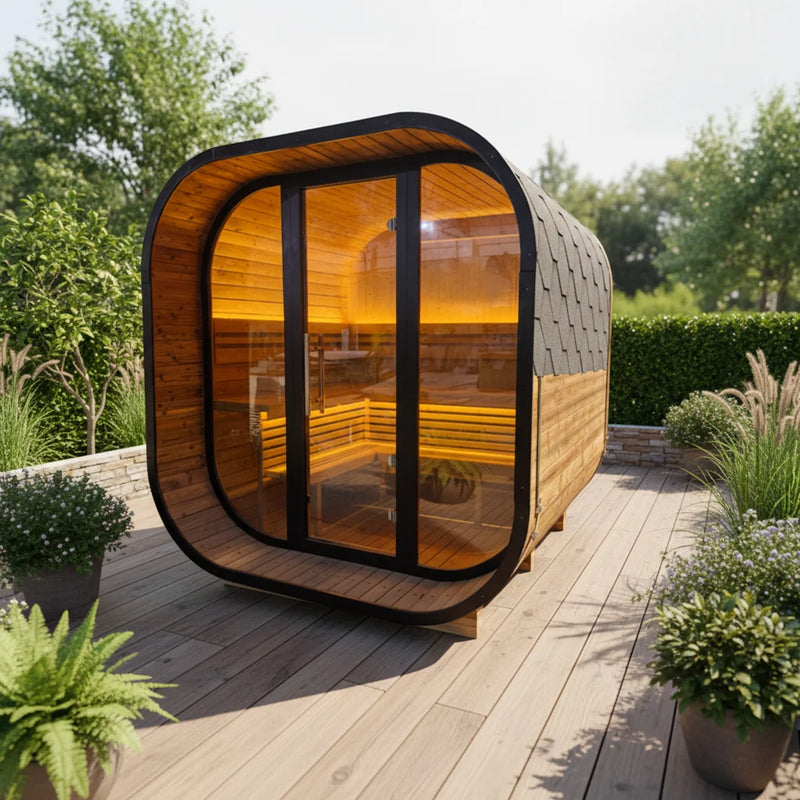
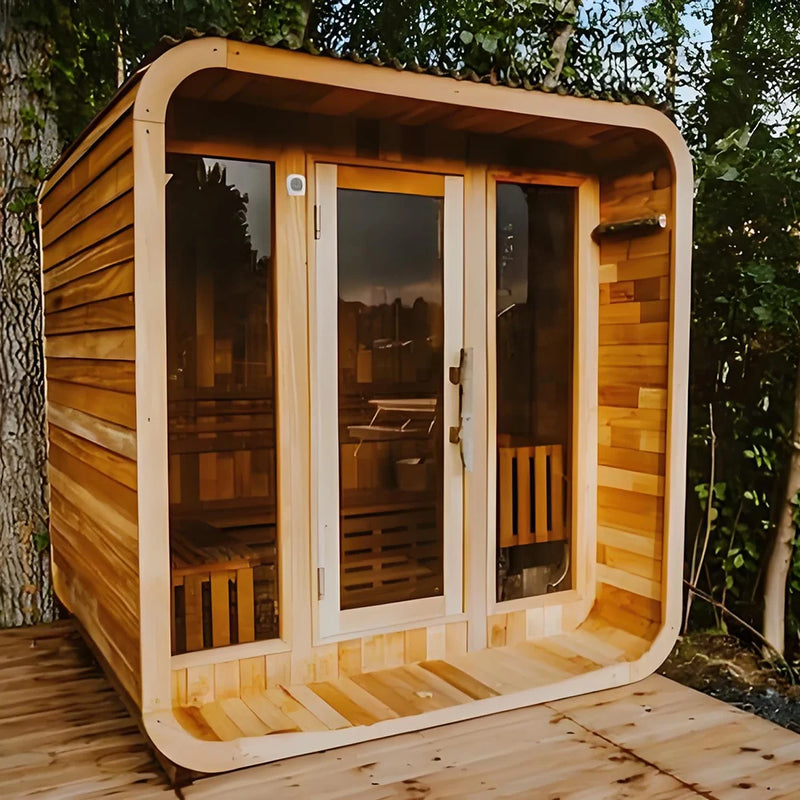
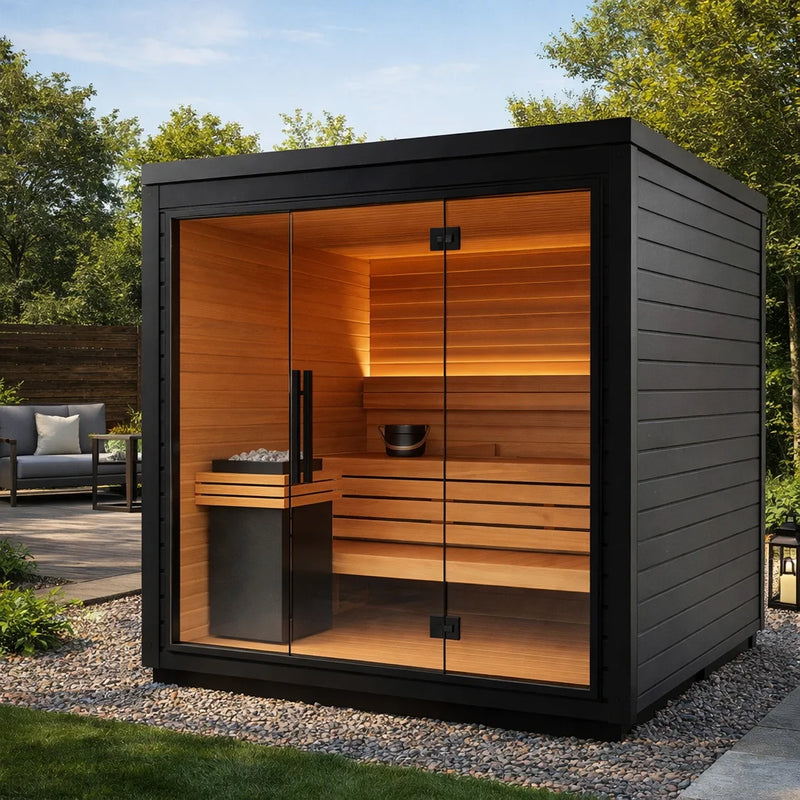
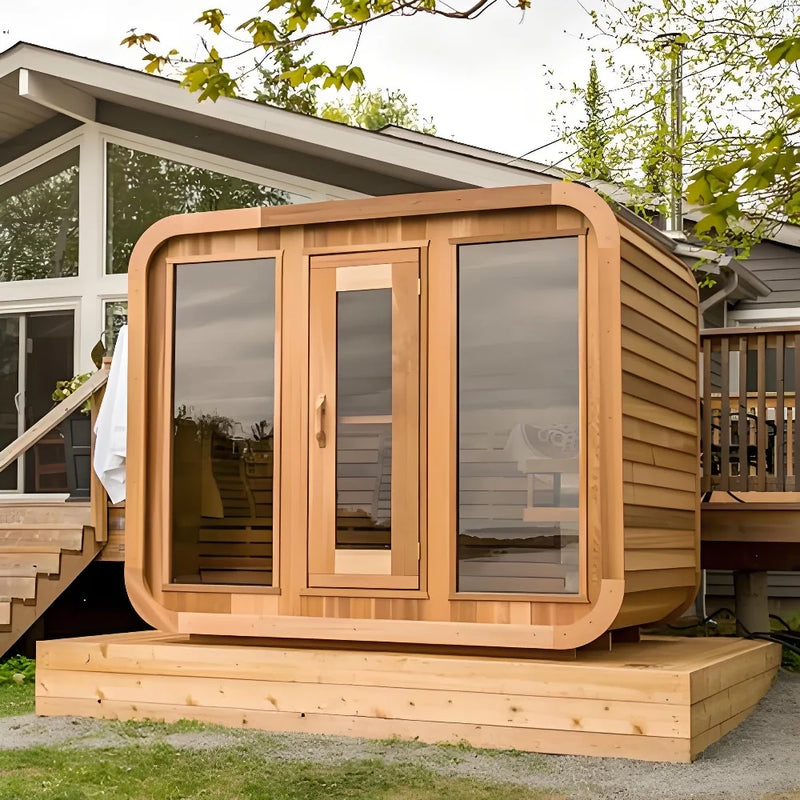
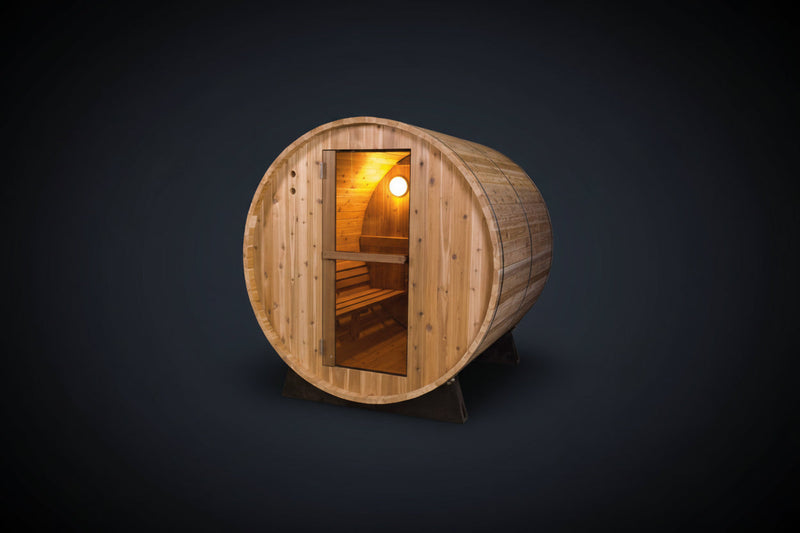
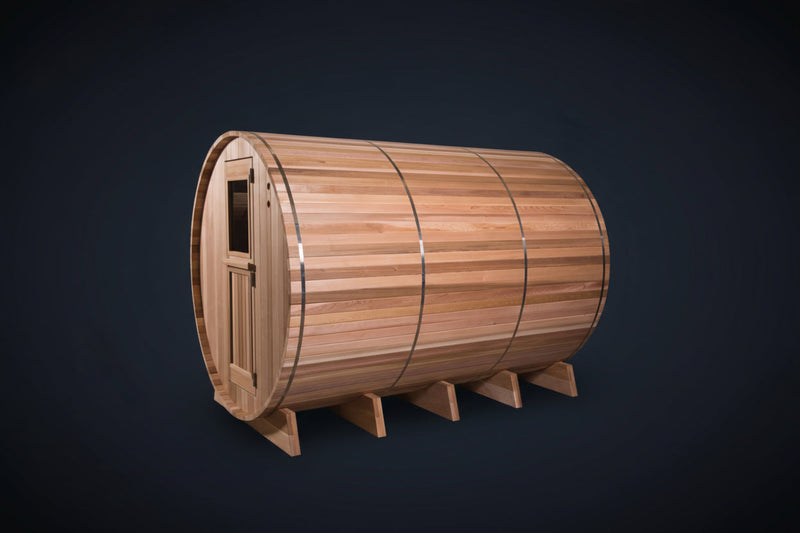
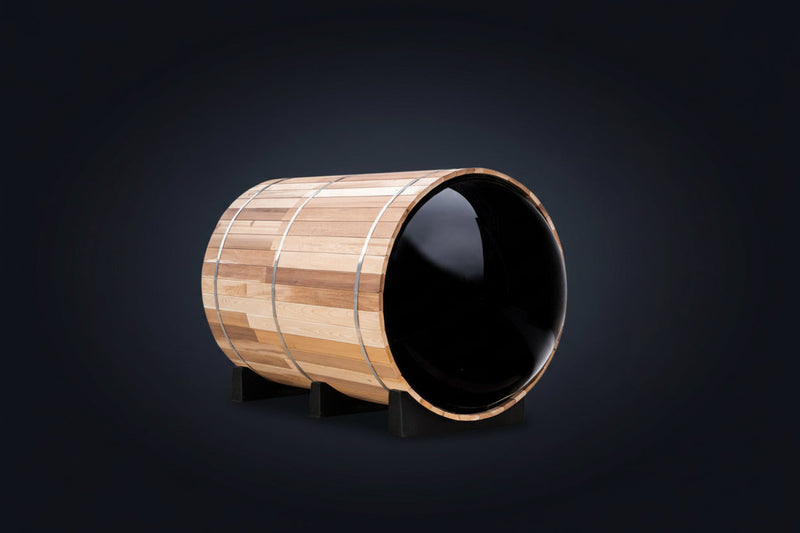
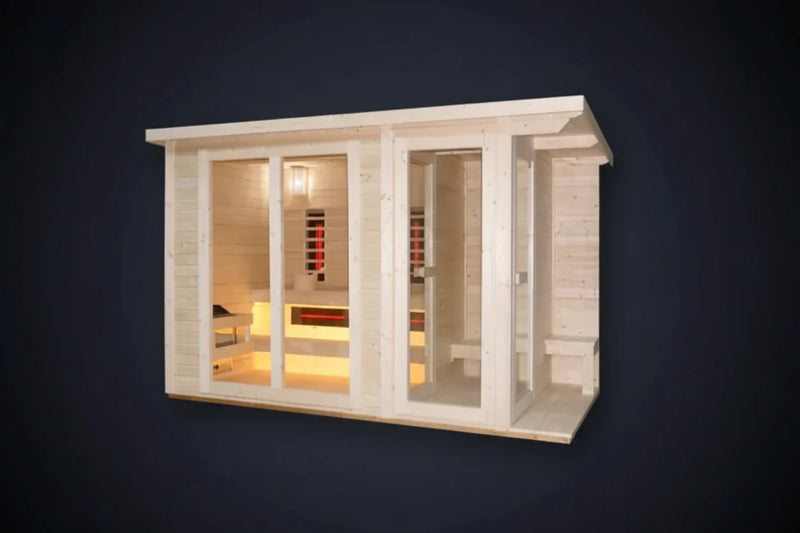
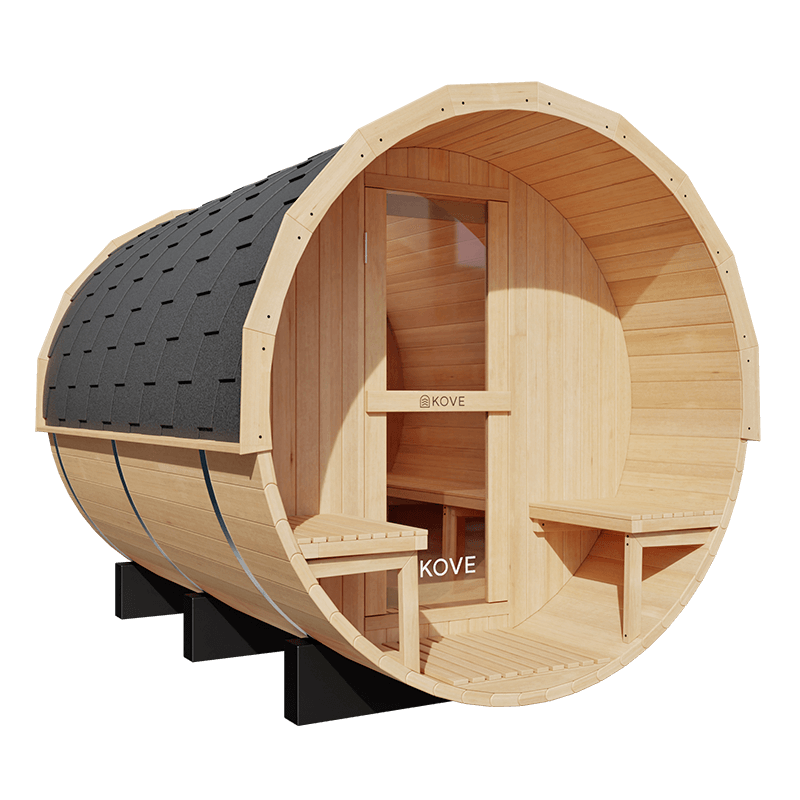
Outdoor saunas, built for British weather.
An outdoor sauna is a sauna that lives outside, and the design difference from an indoor unit is more substantial than the marketing suggests. UV-resistant cedar or thermo-aspen cladding, marine-grade seals at every panel joint, IP-rated electrical components if powered, a roof pitch that sheds rain rather than letting it pool, and a base specification that handles the weight of the cabin plus six to eight inches of British winter rainfall, these are the things that distinguish a genuine outdoor build from an indoor cabin pushed into the garden.
The shape choices are aesthetic and practical at once. Barrel saunas are structurally efficient, even pressure distribution, fast warm-up because of the small internal air volume, characterful Scandinavian shape. Pods are similar but on a hemispherical or capsule profile, and tend to be the most thermally efficient. Flat-walled cabins look more like garden buildings, give more usable internal volume, and accommodate larger benches; they are slower to warm and need more insulation to perform.
Heat source matters as much as cabin shape. A traditional electric heater (6-9 kW) gives you a UK-standard sauna experience with a 16A or 32A circuit, full thermostat control, and consistent results across the year. A wood-fired stove gives you the most authentic löyly experience, no electricity, and the romance of an outdoor sauna fire, but requires fuel storage, ash disposal, and a flue that meets building regulations. Infrared outdoor cabins give you a gentler, faster session for households who prioritise daily use over occasional ritual.
Asked & answered.
Common questions about outdoor saunas. Anything missing, call or email us.
Will an outdoor sauna survive a UK winter?
Yes, quality outdoor saunas are engineered for the conditions. Cedar and thermo-aspen handle frost, rain and snow without intervention beyond an annual oil treatment in autumn. Wood-fired stoves are entirely weather-independent. Electric units stay reliable down to ambient temperatures of -15°C, with longer warm-up times below 0°C.
Wood-fired or electric?
Wood-fired gives the most authentic experience and uses no electricity but requires fuel storage, ash disposal, and a flue. Electric is more convenient and consistent, draws 6-9 kW, and needs a 16A or 32A circuit run from the consumer unit. Most UK households opt for electric on practicality grounds; wood-fired suits households with garden space and a willingness to manage fuel.
Do I need planning permission?
For most freestanding outdoor saunas in a domestic garden, no, they fall under permitted development if under 2.5 m at the eaves and not within 2 m of a boundary. Listed buildings, conservation areas, and certain leaseholds may differ. Wood-fired stoves with chimneys above the ridge line of a neighbouring building may need a chimney consent.
What kind of base do I need?
A level concrete pad or paving slabs over a hardcore base, sized 10 cm wider than the sauna footprint on every side. The base should drain rather than hold water around the cabin's bottom edge. Larger barrels and 4-person cabins benefit from a full concrete pad rather than discrete slabs.
How often does the exterior need treating?
Annual coat of UV-resistant exterior cedar or wood oil in autumn, forty minutes to an hour for most cabin sizes. Some owners prefer to let the wood silver naturally and apply only a clear protective oil; others reapply pigmented oils to maintain the original colour. Either approach is fine; the wood lasts equally well.