Yoga Mats.
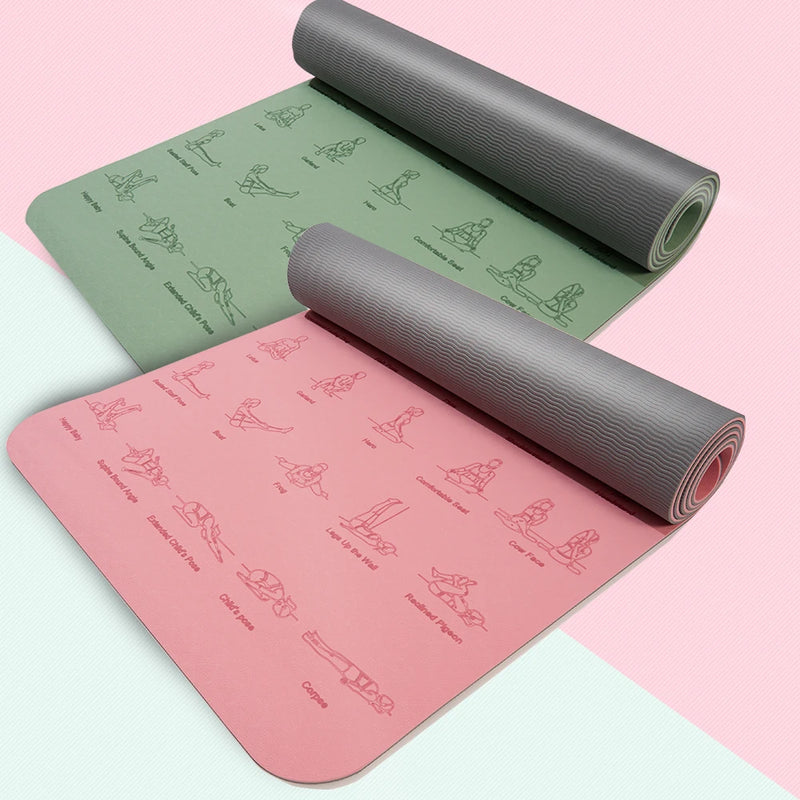
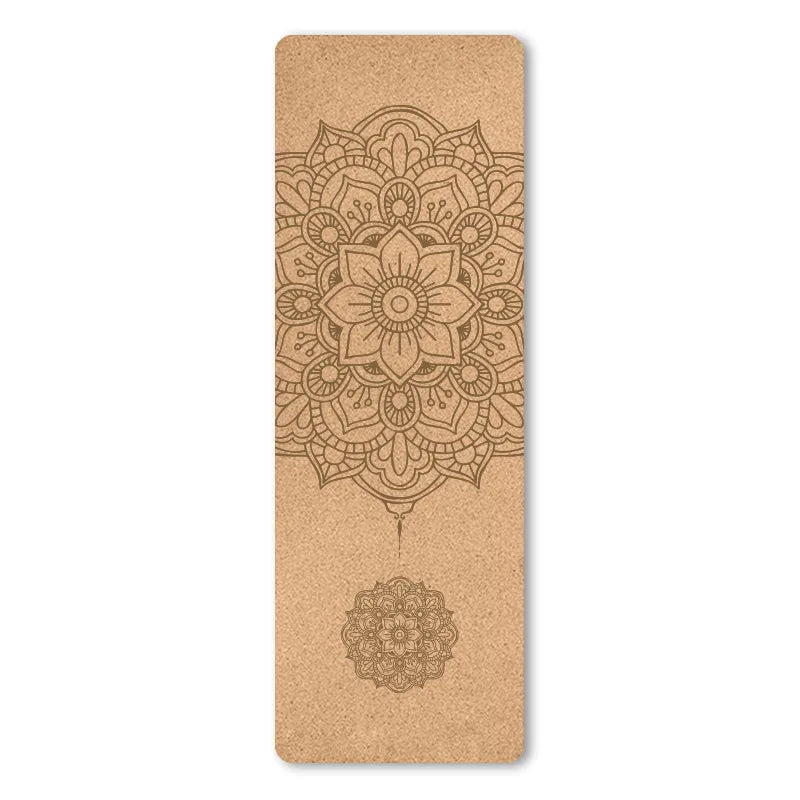
Three Telos yoga mats for different kinds of practice: cork for hot rooms, PU and rubber for grip, and light TPE for everyday yoga and pilates at home.

Which yoga mat suits your practice.
Most people pick a yoga mat by colour and replace it within a year because it slides, smells or wears through. Material matters more. It decides how the mat grips when you sweat, how heavy it is to carry and how long it lasts.
Cork grips better as it gets damp, which makes it the natural choice for hot yoga and warm rooms, and it resists odour. A polyurethane top over natural rubber gives the most grip of all and stays flat on the floor, at the cost of weight and a latex warning. TPE is light, cushioned and latex free, a sensible everyday mat for pilates, stretching and gentle flows at home.
All three of our mats are 183cm long, which fits most people from head to heel in savasana. Wipe them down after use and keep them out of direct sun and they will last far longer than a bargain foam mat.
Asked & answered.
Common questions about yoga mats. Anything missing, call or email us.
What is the best yoga mat for hot yoga?
Cork. It gets grippier when damp, where foam and TPE get slippery. Our PU and rubber mat is the other good option if you prefer a smoother feel.
I have a latex allergy. Which mat should I choose?
The Everyday TPE mat. Our Grip mat has a natural rubber base, which contains latex.
How thick should a yoga mat be?
Around 4 to 6mm suits most people. Thicker cushions knees on hard floors; thinner feels steadier in standing balances.
How do I clean a yoga mat?
Wipe with a damp cloth and a drop of mild soap after use, then dry it flat. Avoid soaking it or leaving it in strong sun.